
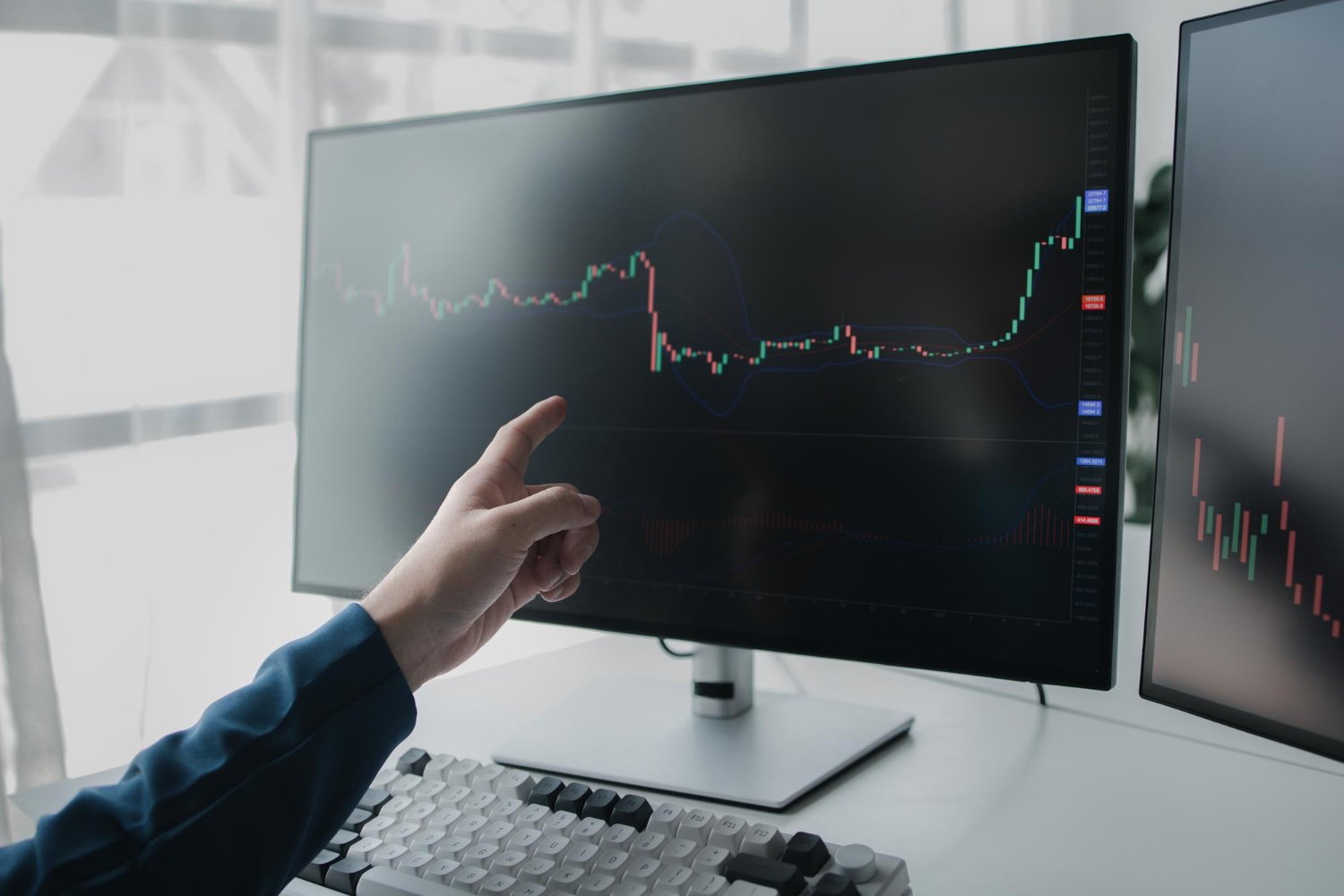
Forex trading has garnered significant interest among Filipinos, presenting an accessible avenue for engaging with the global economy through currency exchange. This participation in financial markets offers investment opportunities that align with the evolving economic landscape. This article examines the factors contributing to the rising popularity of Forex trading in the Philippines, emphasizing elements that attract both experienced investors and newcomers. It also highlights various trading platforms that facilitate market access. It outlines the fundamentals necessary for initiating Forex trading, clarifies essential concepts and terminology, and offers guidance for formulating effective trading strategies. Furthermore, the article addresses risk management techniques to facilitate a more secure trading experience, including the use of trading signals and technical indicators. Whether one is a novice seeking to explore Forex trading or simply inquiring about its appeal, a wealth of valuable insights awaits.
What is Forex Trading ?
Foreign exchange trading, commonly referred to as Forex trading, involves the buying and selling of currencies within the Forex market, which is recognised as one of the largest and most liquid financial markets globally.
This exceptional liquidity arises from the extensive participation of various stakeholders who trade billions of pounds daily, representing a wide range of interests and objectives.
The importance of Forex trading in the global economy is significant, as it facilitates international trade and investment by enabling the necessary currency conversions for transactions within the global marketplace.
The Forex market operates on a decentralised structure, comprising a network of banks, brokers, and retail traders, all interconnected to provide competitive pricing and prompt access to a diverse array of currency pairs.
For individuals entering this domain, financial literacy is of paramount importance, as it enables traders to make informed decisions, comprehend market trends, and devise effective trading strategies to manage risk while striving to achieve their trading goals. By understanding both fundamental analysis and technical analysis, traders can enhance their market analysis skills.
Why Forex Trading is Popular in the Philippines
Forex trading has gained considerable popularity in the Philippines due to various factors that render it an appealing investment option for numerous individuals.
The accessibility of online trading platforms has democratized participation in the Forex market, allowing people from diverse backgrounds to engage in currency trading.
Furthermore, the potential for significant returns, combined with a rising interest in financial literacy, has further propelled this trend.
Additionally, the dynamics of the local economy and favourable monetary policies enhance the attractiveness of Forex trading as a viable alternative to traditional investment avenues, further driven by the potential for leverage and capital gains.
Factors Contributing to Popularity
Several key factors contribute to the increasing popularity of Forex trading in the Philippines, including economic indicators that influence market sentiment and trading volume. These factors are pivotal in shaping the perception of Forex as an appealing investment strategy. The country’s economic growth and integration into the global market have positioned it as a significant participant in the foreign exchange market.
The rising availability of Forex education programmes and trading resources enables beginners to develop essential trading strategies and risk management skills, often supported by mentorship programs and Forex workshops. Additionally, regulatory frameworks governing Forex trading instil a sense of trust and safety for investors within the local landscape.
As traders navigate this dynamic environment, they often rely on specific economic indicators, such as GDP growth rates, employment statistics, and inflation figures, all of which can significantly affect currency valuations and trading opportunities.
Strong economic performance generally leads to increased trading volume, as confidence in the local currency strengthens, resulting in bullish trends and favorable profit margins. In this context, the importance of Forex regulation cannot be overstated; it serves to protect novice traders from potential scams while fostering a healthier trading ecosystem.
By prioritising continuous education, traders can gain a deeper understanding of market fluctuations and make informed decisions, ultimately enhancing both individual success and the overall integrity of the Forex market.
Opportunities for Beginners in Forex Trading
For beginners, the Forex trading landscape offers numerous opportunities for learning and growth while navigating the complexities of the currency exchange market. Engaging in demo accounts and trading courses is often recommended.
The introduction of user-friendly trading platforms and the availability of demo accounts allow aspiring traders to practise their skills without the risk of incurring real financial losses.
Moreover, collaborating with reputable Forex brokers can provide access to valuable trading signals and market analysis tools, including the latest Forex analysis software, thereby enabling beginners to formulate effective trading strategies tailored to their specific objectives.
As they advance in their trading journey, novice traders can explore various trading styles, such as day trading and swing trading, to determine which approach aligns best with their individual preferences and goals.
How to Get Started
Entering the Forex trading market requires several essential steps to facilitate a smooth and successful initiation. Initially, individuals should pursue comprehensive trading education through reputable online courses or Forex tutorials that cover fundamental concepts and effective trading strategies.
Along with acquiring foundational knowledge, it is advisable to open a demo account with a reputable Forex broker. This enables individuals to gain practical experience using virtual funds. Such a practice environment is invaluable for understanding the complexities of currency fluctuations and order execution without the risk of losing real capital.
Moreover, it is imperative to become acquainted with various trading tools, including Forex charts, market signals, and technical indicators, as these resources are crucial for conducting thorough market analysis.
By integrating these components, individuals can establish a solid framework for making informed trading decisions using various trading tools, thereby enhancing their overall understanding and potential success in the Forex market.
Understanding the Forex Market
A comprehensive understanding of the Forex market is essential for individuals seeking to participate in Forex trading, as it functions differently from other financial markets.
The Forex market involves the trading of currency pairs, where one currency is exchanged for another, and participants aim to leverage market trends and price fluctuations for profit.
Familiarity with the fundamental factors that affect currency values, including economic data and geopolitical events, equips traders to make informed decisions and formulate effective trading strategies, which are crucial for optimizing trading performance.
Additionally, an understanding of liquidity and volatility within the Forex market is vital for risk management and the optimisation of trading performance, influenced by market trends and regulatory bodies.
Key Concepts and Terminology
Navigating the Forex trading landscape effectively requires a thorough understanding of the key concepts and terminology that underpin the market. This includes a comprehensive grasp of trading signals, which offer insights into potential trading opportunities based on market analysis.
Traders employ technical analysis to assess price movements and trends, while fundamental analysis concentrates on economic indicators and news events that influence currency values, often visualized through price charts and candlestick patterns. Mastering this terminology not only enhances a trader’s confidence but also equips them with the necessary knowledge to develop informed trading strategies, using trading psychology to navigate market sentiment.
It is crucial to recognise the distinctions between different types of analysis to craft a successful trading approach. For example, trend analysis aids in identifying the direction of market movements, while support and resistance levels provide critical insights into potential price reversal points.
Additionally, the utilisation of various trading signals, such as moving averages and oscillators, can alert traders to market shifts that may indicate optimal entry or exit points, supporting both stop loss and take profit strategies. Ultimately, a comprehensive understanding of these essential terms enables traders to make more strategic decisions, effectively manage risk, and optimise their trading performance, contributing to a successful engagement with the Forex community.
Developing a Forex Trading Strategy
The development of a robust Forex trading strategy is essential for achieving success in the dynamic and often unpredictable Forex market.
A well-defined trading strategy encompasses various elements, including risk management techniques to safeguard capital, trading psychology to uphold discipline, and the application of technical and fundamental analysis to pinpoint entry and exit points.
Traders should carefully consider their financial objectives and individual risk tolerance when formulating their strategy, ensuring that it aligns with their distinct trading style.
Furthermore, maintaining consistency in adhering to the strategy is critical for long-term success and the attainment of desired outcomes.
Tips and Techniques for Success
To achieve success in trading Forex, traders can implement various strategies and techniques, including automated trading systems, that enhance their overall performance. This may include adopting a disciplined approach to trading, setting realistic financial goals, and engaging in ongoing education regarding market dynamics, often through trading psychology courses and social trading platforms.
The incorporation of market analysis tools to assess trends and price action, along with the use of effective trading techniques such as stop-loss and take-profit orders, can significantly improve trading outcomes. Furthermore, staying informed about Forex news and economic events using an economic calendar is crucial for making timely and well-informed trading decisions.
By cultivating a disciplined mindset, traders are more likely to adhere to their strategies, thereby reducing the impulsive decisions that often result in losses. It is advisable to develop a personalised trading plan that outlines not only entry and exit points but also risk management strategies tailored to individual risk tolerance. For beginners, using demo accounts can be particularly beneficial to practice trading strategies without financial risk.
Participation in educational webinars or forums can enhance understanding and expose traders to new methodologies. Additionally, emphasising the importance of reviewing past trades to identify both mistakes and successes can facilitate continuous improvement, ultimately leading to a more robust trading portfolio. Forex trading platforms and social trading networks also provide opportunities for peer trading and mentorship programs.
Managing Risks in Forex Trading
Effective risk management is a fundamental component of Forex trading that can substantially reduce potential losses and enhance overall profitability. Traders must prioritise the understanding and implementation of risk management strategies, including establishing a favourable risk-reward ratio for each trade and utilising stop-loss orders to safeguard their capital. Incorporating Forex analysis software can aid in evaluating trading signals and executing informed decisions.
Furthermore, evaluating market volatility and liquidity is essential for identifying potential risks associated with specific currency pairs and market trends. By incorporating risk management techniques into their trading plans, traders can adopt a more strategic approach to the Forex market, thereby improving their prospects for long-term success.
Strategies for Minimising Risks
Minimising risks in Forex trading necessitates the implementation of well-defined strategies that consider both prevailing market conditions and individual trading behaviours. Traders should develop comprehensive trading setups that clearly delineate their entry and exit points while adhering to strict risk management protocols. Beginners can benefit greatly from a structured beginner’s guide and Forex glossary to understand terms like pip, spread, and leverage.
A thorough understanding of trading psychology is crucial, as emotional decisions can result in significant trading errors. By maintaining discipline and adhering to their trading plans, traders can effectively mitigate the influence of psychological barriers on their trading performance.
This disciplined approach typically includes the establishment of stop-loss orders, which protect against unforeseen market fluctuations, thereby safeguarding capital. Traders are encouraged to conduct regular performance reviews to identify emotional triggers that may lead to impulsive actions, promoting a deeper understanding of their psychological responses.
Additionally, incorporating techniques such as visualisation and mindfulness can significantly enhance emotional management, thereby improving overall decision-making. Ultimately, a commitment to refining trading setups, combined with a focus on psychological resilience, will enable traders to navigate the Forex market with greater confidence and reduced risk exposure. Engaging with the Forex trading community and participating in Forex workshops or trading courses can further bolster a trader’s skills and understanding of the financial markets.
Tags: Forex, Trading Forex, Trading Platform